Type and press Enter.

Free Next Day shipping on orders over £50*

Ritual Harvest

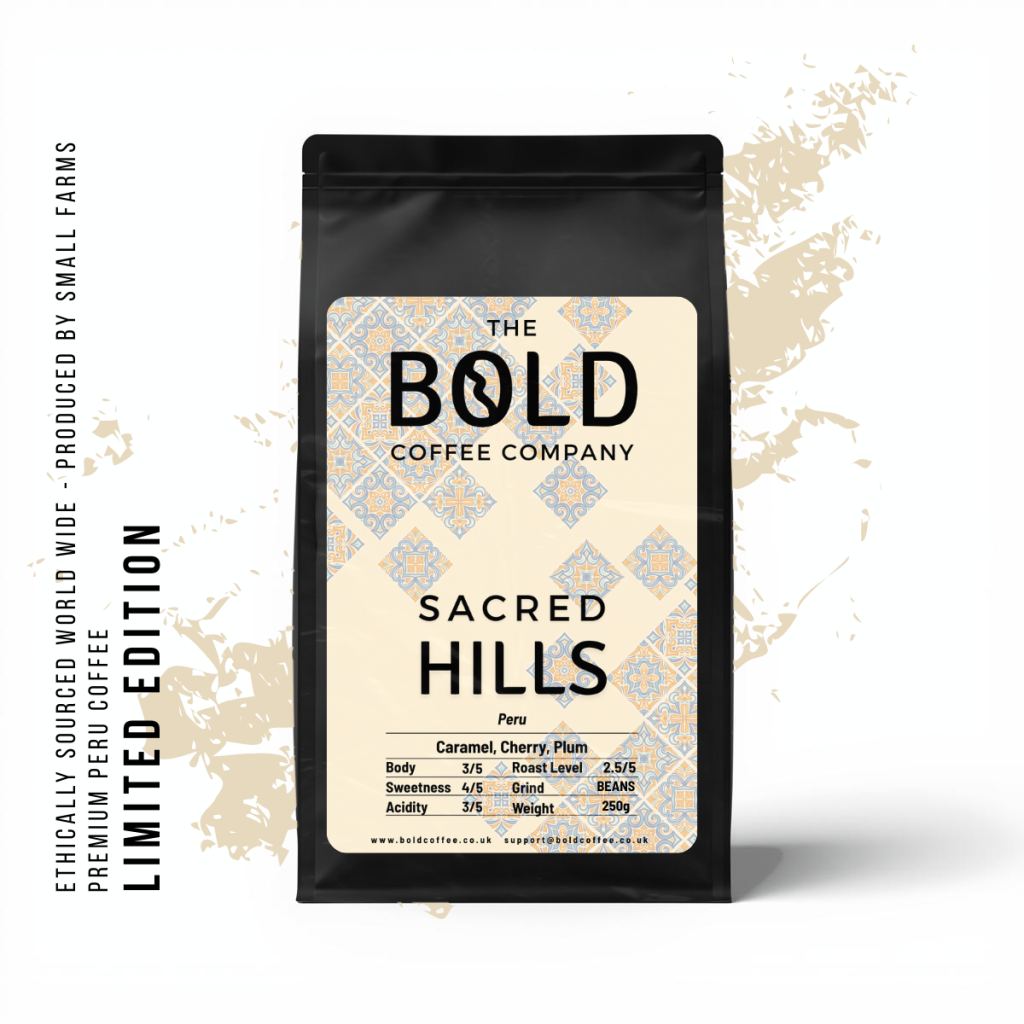
Ritual Harvest: Coffee, Community, and Celebration in Jaén, Peru

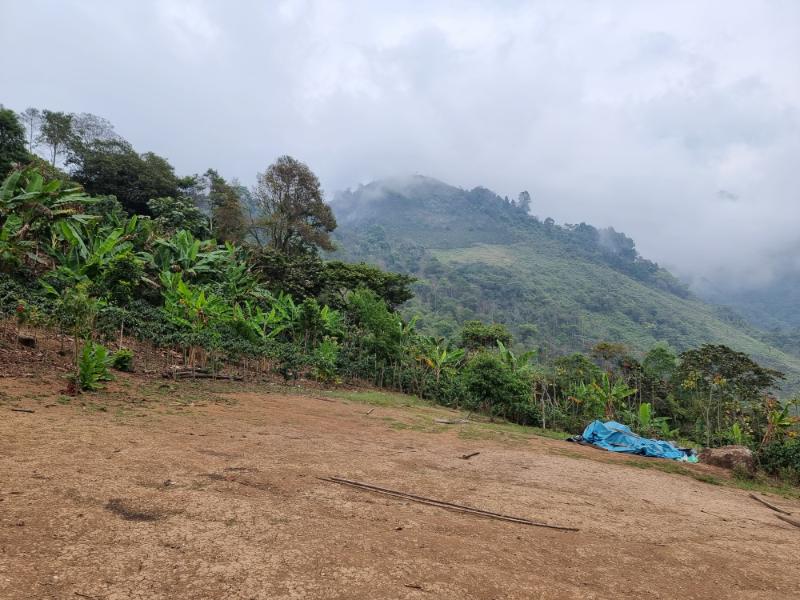
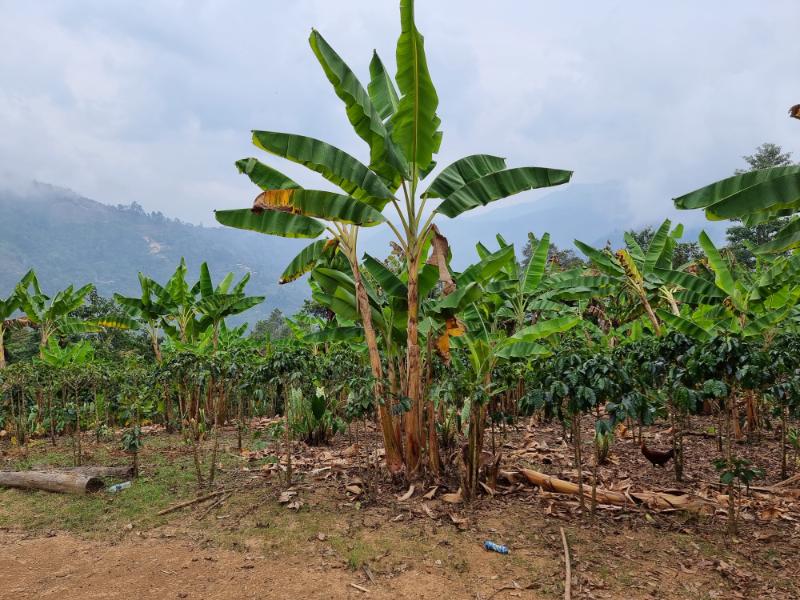
High in the uplands of Jaén, in northern Peru’s Cajamarca region, coffee is more than a crop — it is a rhythm that shapes daily life, seasons, and celebration. At 1,650 metres above sea level, La Naranja Farm sits quietly among forested hills, its orange trees and coffee plants sharing the same soil, rain, and mountain air. This is where Elvis Reynerio Tineo Rafael grows coffee rooted not only in altitude and technique, but in tradition.

La Naranja is a one-hectare, family-run farm established in 2016 on land gifted to Elvis by his family — a continuation of a lineage of coffee growers stretching back generations. The knowledge passed down from grandparents to parents now finds expression in Elvis’s work: careful cultivation, attention to soil health, and a commitment to improving quality year after year. Coffee here is personal. Every harvest carries a sense of responsibility — to the land, to family, and to the wider community.

A Landscape Shaped by Nature

The farm’s high elevation and cool, humid microclimate create ideal conditions for coffee. Regular rainfall nourishes clay-loam soils with a balanced pH, while surrounding forest helps regulate temperature and moisture. La Naranja grows Caturra, Catimor, and Catuai, varieties well suited to the region and increasingly refined through careful processing.

Harvest runs from May to August, overlapping with one of the most important moments in the local calendar. Coffee cherries are hand-picked and processed using a fully washed method, with fermentation carried out in sealed bags — a sign of the region’s growing focus on precision, experimentation, and cup clarity. Annual production is modest, around 40 quintales, but quality is the clear priority.

Coffee and the Patronal Festival

In El Diamante, the high-altitude community where La Naranja is located, agriculture and culture are inseparable. Each year on 20 July, the community gathers for its patronal festival — a day marked by shared meals, music, and collective pride. It is a celebration of faith, land, and people, timed closely with the height of the coffee harvest.

This connection between harvest and celebration inspired the name Ritual Harvest. It reflects the idea that coffee here is not produced in isolation, but as part of a wider cultural rhythm. Picking, fermenting, drying — these are acts repeated year after year, shaped by tradition and reinforced by community. The festival is a reminder that coffee is both livelihood and legacy.

Farming with Purpose

Elvis leads a small team of four, using a balanced approach to farming that combines organic matter, mineral fertilisers, and recycled coffee by-products to maintain soil health. Like much of Cajamarca, La Naranja relies on rainfall rather than irrigation, making the farm vulnerable to climate variability, drought, and threats such as coffee leaf rust. Despite these challenges, Elvis remains focused on long-term sustainability — both environmental and economic.

His goal is simple but ambitious: to produce coffees that earn recognition for their quality and secure pricing that allows the farm to thrive for generations to come.

A Coffee That Tells a Story

Ritual Harvest is a reflection of place — high-altitude coffee shaped by mountain climate, family knowledge, and communal celebration. It represents the quiet dedication behind each cup and the cultural moments that give meaning to the work.

From the hills of Jaén to your brew bar, this coffee carries more than flavour. It carries a story of harvest, heritage, and the enduring bond between coffee and community.

Cold Brew vs Iced Coffee — What’s the Difference?

They’re both cold. They’re both caffeinated. But cold brew and iced coffee are not the same — and knowing the difference can help you choose the drink that suits your taste, lifestyle, and brew setup.

Let’s compare.

Iced Coffee: Hot Brew, Chilled Fast

How it’s made:
Iced coffee starts as regular hot coffee — brewed using drip, pour-over, or espresso — then cooled down by pouring over ice.

Taste profile:

  • Bright and crisp
  • Often more acidic
  • Can taste diluted if not brewed strong enough

Pros:

  • Quick to make
  • Familiar flavour
  • Great for adding milk or syrups

Best for:

  • Those who want a fast, refreshing coffee
  • Fans of traditional coffee flavour with a chill twist

Cold Brew: Slow Steep, Smooth Finish

How it’s made:
Cold brew is made by steeping coarse-ground coffee in cold water for 12–24 hours, then straining it. No heat involved.

Taste profile:

  • Smooth and mellow
  • Lower acidity
  • Naturally sweeter and stronger

Pros:

  • Higher caffeine content
  • Less bitterness
  • Stays fresh longer in the fridge

Best for:

  • Those who love bold, smooth coffee
  • People sensitive to acidity
  • Batch brewers who want coffee on tap

Cold Brew vs Iced Coffee — Quick Comparison

Got thoughts, questions, or coffee stories of your own? Leave a comment below — we read every one and love connecting with fellow coffee lovers.

For more about who we are and what makes Bold Coffee… well, bold, check out our About Us page.

And don’t forget to explore our other blog posts — we’re always adding new content.
Sign up to our newsletter and follow us on socials to stay updated. The world of coffee moves fast, and we’re here to keep you in the loop.

What Are Roast Levels — And Why They Matter

Roast level is one of the biggest factors that determines how your coffee tastes. Whether you love bright, fruity notes or deep, smoky richness, understanding roast levels helps you choose beans that match your flavour preferences — and your brew method.

Let’s break it down.

Light Roast: Bright, Fruity, Complex

Light roasts are roasted for the shortest time, preserving the bean’s natural flavours and acidity. You’ll often taste floral, citrus, or berry notes, especially in beans from Ethiopia or Kenya.

  • Colour: Light brown, dry surface
  • Flavour: Bright, acidic, nuanced
  • Best for: Pour-over, AeroPress, filter brews
  • Roast names: Cinnamon, New England, Light City

Tip: Light roasts are ideal for tasting origin-specific characteristics.

Medium Roast: Balanced, Smooth, Versatile

Medium roasts strike a balance between origin flavour and roast development. They’re less acidic than light roasts, with more body and sweetness — think chocolate, caramel, and nutty notes.

  • Colour: Medium brown, dry surface
  • Flavour: Balanced, rounded, slightly sweet
  • Best for: Drip, French press, espresso
  • Roast names: City, American, Breakfast

Tip: If you’re unsure what you like, start here.

Dark Roast: Bold, Smoky, Low Acidity

Dark roasts are roasted longer, which reduces acidity and origin flavour but increases body and bitterness. You’ll taste smoke, dark chocolate, and toasted flavours — sometimes even hints of spice.

  • Colour: Dark brown to black, oily surface
  • Flavour: Bold, bitter, smoky
  • Best for: Espresso, moka pot, milk-based drinks
  • Roast names: Full City, French, Italian

Tip: Great for those who love strong coffee or drink it with milk.

So… Which Roast Is Right for You?

  • Love fruity, tea-like coffee? Go light.
  • Want balance and sweetness? Medium’s your friend.
  • Crave bold, intense flavour? Dark roast delivers.

And remember: roast level is just one part of the equation. Origin, processing method, and brew style all play a role — and experimenting is half the fun.

Final word

Instant coffee may be convenient, but it comes at a chemical cost. Fresh brew offers superior flavour, nutrition, and safety — and Bold Coffee is proud to keep it that way.

Got thoughts, questions, or coffee stories of your own? Leave a comment below—we read every one and love connecting with fellow coffee lovers.

For more about who we are and what makes Bold Coffee… well, bold, check out our About Us page.

And don’t forget to explore our other blog posts—we’re always adding new content.
Sign up to our newsletter and follow us on socials to stay updated. The world of coffee moves fast, and we’re here to keep you in the loop.

Cheap vs Pricey Coffee: Who’s Really Winning?

When it comes to coffee, price tags can be deceiving. That £1.50 supermarket blend and the £12 artisan roast might look worlds apart—but what do those numbers actually mean? Let’s break it down.

Cheap coffee isn’t just cheap for you—it’s cheap for everyone involved.

The low price of mass-market coffee often reflects a brutal cost-cutting chain. Beans are typically bought at commodity rates, which can fall below the cost of production—leaving farmers underpaid and overworked. In many cases, workers earn less than £1 per kilo of green beans, with little protection against market volatility. To meet demand, producers may rely on intensive farming, exploitative labour, and minimal environmental oversight. Roasting is done at scale, prioritising speed over flavour, resulting in a bitter, burnt taste that’s more about caffeine delivery than enjoyment. The savings come at a human and ecological cost.

  • Most low-cost coffee is bought at the lowest possible price from commodity markets, often below the cost of production. Farmers in major growing regions like Brazil, Vietnam, and Ethiopia may earn less than £1 per kilo of green beans.
  • To hit rock-bottom prices, producers often cut corners: underpaid labour, poor working conditions, and minimal environmental safeguards are common.
  • The roasting process is typically fast and high-temperature, sacrificing flavour complexity for volume. Think burnt toast, not nuanced chocolate or citrus.

Pricey coffee isn’t just about posh packaging—it’s about paying fairly and roasting smart.

Higher-priced coffee often reflects a more ethical and flavour-focused approach. Roasters committed to quality pay 2–4 times the commodity rate, ensuring farmers can invest in better practices, equipment, and long-term sustainability. These beans are usually hand-sorted, carefully processed, and roasted in small batches to preserve their unique flavour profiles. You’re not just buying coffee—you’re buying traceability, transparency, and a commitment to quality. The extra cost supports fair wages, environmental stewardship, and a richer, more nuanced cup. It’s not about luxury—it’s about integrity.

  • Ethical roasters often pay 2–4 times the commodity rate, ensuring farmers can reinvest in quality and sustainability. That £12 bag might include £4–£6 paid directly to the grower.
  • Higher-grade beans are sorted by hand, processed with care, and roasted in small batches to highlight origin-specific flavours. You’re tasting terroir, not just caffeine.
  • The extra cost also covers traceability, certifications, and long-term relationships—not just marketing fluff.

But is expensive coffee always better? Not necessarily.

Price alone doesn’t guarantee quality. Some brands charge premium rates while offering little more than clever marketing. Vague origin stories, generic blends, and buzzword-heavy packaging can mask mediocre beans and rushed roasting. A £15 bag with no roast date, flavour notes, or sourcing details? That’s a warning sign. True quality comes from clarity and consistency—not just cost. Consumers should look beyond the label and ask: who grew this, how was it roasted, and what does it actually taste like? A high price should reflect high standards, not just high margins.

  • Some brands charge premium prices without backing it up—using vague origin stories, generic blends, or misleading labels.
  • Others invest in storytelling and aesthetics but skimp on actual bean quality. A £15 bag with no roast date or flavour notes? Red flag.

So how does Bold Coffee fit in?

At Bold Coffee, we believe in pricing that reflects real value—not inflated branding or race-to-the-bottom sourcing. Our beans are selected for flavour, roasted for character, and priced to support everyone in the chain—from grower to drinker. We don’t do vague blends or empty claims. Every bag comes with full transparency, bold flavour notes, and a roasting philosophy rooted in respect for the bean. We’re not here to be the cheapest or the flashiest—we’re here to be the most honest, most flavourful, and most trusted name in your cupboard.

  • We price our coffee to reflect real value—not inflated margins or race-to-the-bottom sourcing.
  • Every bean is roasted for flavour, not volume. We don’t do generic. We don’t do vague. We do bold.
  • Our pricing is transparent, our ethics are non-negotiable, and our flavour speaks for itself.

Got thoughts, questions, or coffee stories of your own? Leave a comment below—we read every one and love connecting with fellow coffee lovers.

For more about who we are and what makes Bold Coffee… well, bold, check out our About Us page.

And don’t forget to explore our other blog posts—we’re always adding new content.
Sign up to our newsletter and follow us on socials to stay updated. The world of coffee moves fast, and we’re here to keep you in the loop.

Lying Labels

Coffee Labelling Lies: What ‘Arabica’, ‘Fairtrade’, and ‘Organic’ Really Mean

Walk down any supermarket aisle and you’ll see coffee bags plastered with buzzwords: Arabica, Fairtrade, Organic, Single-Origin, Rainforest Alliance. They sound impressive — but what do they actually mean? And more importantly, do they mean anything at all?

This post cuts through the noise, exposing how labels are used to mislead consumers and inflate prices, while Bold Coffee keeps things honest.

Arabica: Not the Gold Standard You Think

Arabica beans account for around 60–70% of global coffee production, and they’re often marketed as superior to Robusta. But here’s the catch:

  • Arabica is a species, not a quality grade.
  • It includes everything from high-altitude, hand-picked beans to mass-produced, chemically treated crops.
  • Low-grade Arabica can taste worse than high-grade Robusta, especially when poorly roasted or stored.

Many brands use “100% Arabica” as a selling point, but it’s meaningless without context. It’s like saying “100% beef” — it could be prime steak or processed filler.

Fairtrade: Ethical in Theory, Flawed in Practice

Fairtrade certification was created to protect farmers from exploitation by guaranteeing a minimum price and a small premium for community development. But the reality is more complicated — and often disappointing.

  • Fairtrade’s minimum price for Arabica is currently $1.80 per pound, with a $0.20 premium.
  • This price hasn’t kept pace with inflation or rising production costs, especially in regions hit by climate change or currency instability.
  • Certification is expensive, and many smallholders can’t afford to join.
  • Large corporations can meet minimum standards while blending certified and non-certified beans, diluting the impact.

In short, Fairtrade offers a safety net — but not a solution.

Bold Coffee goes further. We pay well above Fairtrade minimums, often exceeding $2.50–$3.00 per pound, depending on quality and origin. That’s not a marketing claim — it’s a commitment to real, traceable impact. We work with partners who prioritise farmer welfare, environmental sustainability, and long-term relationships — not just box-ticking.

This approach ensures:

  • Better wages for growers
  • Higher quality beans for you
  • A supply chain built on trust, not bureaucracy

We don’t need a label to prove our ethics — we let our sourcing and roasting speak for themselves.

Organic: Cleaner Beans or Clever Branding?

Organic coffee is defined by how it’s grown: without synthetic fertilisers, pesticides, or herbicides. But the certification process doesn’t always account for the long-term chemical history of the soil. If a farm used synthetic inputs in the past, residues can linger — especially in poorly managed or compacted soil.

Here’s what’s important to know:

  • Organic certification typically requires a transition period (often three years) during which no synthetic chemicals are used. After this, the land can be certified organic.
  • However, residual contamination from previous farming — such as heavy metals, persistent pesticides, or herbicide residues — may remain in the soil.
  • Certification bodies do not routinely test soil for legacy contamination. They focus on current inputs and farming methods.
  • This means some “organic” coffee may be grown in soil that still carries traces of past chemical use.

Why Bold Coffee Doesn’t Play the Labelling Game

We believe in substance over slogans. That means:

  • No misleading labels — just clear information about how our coffee is grown, roasted, and tested.
  • No shortcuts — we roast in small batches, avoid instant formats, and publish our standards.
  • No greenwashing — we don’t slap on certifications for marketing. We earn trust through action.

Final Word

Coffee labels are designed to sell, not to inform. Bold Coffee is here to change that — with truth, transparency, and taste that speaks for itself.

Got thoughts, questions, or coffee stories of your own? Leave a comment below—we read every one and love connecting with fellow coffee lovers.

For more about who we are and what makes Bold Coffee… well, bold, check out our About Us page.

And don’t forget to explore our other blog posts—we’re always adding new content.
Sign up to our newsletter and follow us on socials to stay updated. The world of coffee moves fast, and we’re here to keep you in the loop.

Let me know when you’re ready to brew up the next post—I’ve got ideas that’ll stir the pot in all the right ways.

Coffee and Climate: How Your Brew Affects the Planet

The Hidden Footprint in Your Cup

Coffee is one of the most consumed beverages in the world, but few drinkers realise its environmental toll. From bean to brew, the process involves deforestation, water-intensive farming, carbon-heavy shipping, and wasteful packaging. According to industry data, the average cup of coffee produces 0.15 kg of CO₂, and global coffee consumption generates over 60 million tonnes of CO₂ annually.

The environmental impact begins at origin:

  • Coffee farming often contributes to deforestation, especially when sun-grown varieties replace traditional shade-grown methods.
  • Water usage is significant — it takes roughly 140 litres of water to produce a single cup of coffee when factoring in cultivation, processing, and brewing.
  • Chemical fertilisers and pesticides used by large-scale producers contaminate soil and waterways, harming biodiversity.

How Big Brands Cut Corners

Major coffee corporations — including Nestlé (Nescafé), JDE Peet’s (Douwe Egberts), and Starbucks — have been criticised for:

  • Sourcing from monoculture farms, which degrade soil and require heavy chemical input.
  • Using non-recyclable packaging, especially in single-serve pods and sachets.
  • Greenwashing their sustainability claims, offering vague promises without third-party verification.

For example:

  • Starbucks has pledged to cut carbon emissions by 50% by 2030, yet continues to rely heavily on disposable cups and global supply chains.
  • Nestlé’s Nescafé has faced scrutiny for sourcing beans from deforested areas in Southeast Asia.
  • Many supermarket brands offer “Rainforest Alliance” or “Fairtrade” labels, but these certifications often allow for minimum compliance, not best practice.

What Ethical Roasting Looks Like

Bold Coffee Takes a Different Approach

While the global coffee industry continues to chase volume and profit margins, Bold Coffee is committed to doing things differently — with integrity, transparency, and environmental responsibility at the core of every decision.

Our approach is built on 3 key pillars:

1. Sustainable Farming Practices

Bold Coffee only works with growers who prioritise low-impact agriculture. This includes:

  • Shade-grown cultivation, which preserves biodiversity and deforestation.
  • Hand-picking methods, which minimise damage to plants and improve bean quality.
  • Proper drying and storage, which prevents mould growth and reduces the risk of mycotoxins.

These practices not only protect ecosystems but also produce richer, more complex flavour profiles — proof that sustainability and quality go hand in hand.

2. Energy-Efficient Roasting

Our roasting process is designed to minimise environmental impact:

  • Small-batch roasting ensures precision and reduces waste.
  • Modern, energy-efficient equipment lowers carbon emissions compared to traditional gas-powered systems.
  • Waste reduction protocols ensure that chaff, packaging, and by-products are responsibly managed or repurposed.

This results in a cleaner roast, both in taste and in footprint.

3. Responsible Packaging

Bold Coffee rejects the disposable culture of pods and sachets. Instead, we use:

  • Recyclable packaging materials, with compostable options under development.
  • Minimalist design, reducing ink and plastic usage.
  • No single-serve formats, which are notoriously difficult to recycle and often end up in landfill.

By focusing on whole bean and ground coffee, we eliminate unnecessary waste and encourage mindful brewing.

This isn’t just about coffee. It’s about creating a movement that values people, planet, and product equally.

How You Can Brew Responsibly

  • Buy from roasters who disclose their sourcing and roasting practices.
  • Avoid single-serve pods and sachets, which are rarely recyclable.
  • Choose shade-grown, organic, or direct-trade beans when possible.
  • Use a reusable filter or French press to reduce waste.
  • Compost your grounds — coffee is rich in nitrogen and great for soil.

Final Word

Coffee doesn’t have to cost the earth.
Bold Coffee is proof that flavour, ethics, and sustainability can coexist — without compromise. While big brands chase volume and margins, Bold Coffee is building a movement: one cup, one conscious choice at a time.

Got thoughts, questions, or coffee stories of your own? Leave a comment below—we read every one and love connecting with fellow coffee lovers.

For more about who we are and what makes Bold Coffee… well, bold, check out our About Us page.

And don’t forget to explore our other blog posts—we’re always adding new content.
Sign up to our newsletter and follow us on socials to stay updated. The world of coffee moves fast, and we’re here to keep you in the loop.